Home

The EcoPeak roof concept uses a defined share of recycled materials, based on internal design assumptions. Depending on reference design, application and comparison basis, it may achieve weight reductions of up to 40% and enables the use of solar energy. 


"Due to its large surface area, the roof has a significant impact on the overall CO₂e footprint of the vehicle. As a leading supplier in this segment, we focus on developing roof concepts that combine reduced CO₂e emissions, functional performance and modern design," says Jörg Buchheim. 

"By considering recyclability in the design process, materials can be recovered and reused more efficiently, supporting resource efficiency and reducing waste."

80%

Up to 80% recycled or bio-based material in selected components.

Up to 40%

Weight saving

54%

Up to 54% lower embodied CO₂e compared to conventional roof systems.

Advanced design meets efficient engineering

The EcoPeak roof concept combines modern design with features such as the use of recyclable materials and integrated solar cells that generate renewable electricity.

The roller blind concept

A standout feature of the EcoPeak roof concept is its integrated roller blinds, using fabric made partly from recycled PET material.

Roller blind concept

Advanced materials and functionality

Selected metal components such as guiderails are replaced with recycled or biomass-balanced polymers.

The use of these materials can contribute to improved material efficiency and reduced CO₂e emissions in the production phase (based on internal assessment).

Aditionally, the roller blind system has been redesigned to enhance functionality: it offers an extended shading area that adapts to the roof’s non-parallel contours. Innovative side guidance and advanced electronics support the advantages of this new roller blind concept.

Webasto EcoPeak rollerblind concept

Polycarbonate panel using biomass-balanced materials

The use of biomass-balanced polycarbonate and alternative polymer materials in place of aluminum can reduce the roof system's weight by up to 40% compared to conventional solutions.

This weight reduction contributes to improved energy efficiency and vehicle performance, while also supporting enhanced driving dynamics. Despite the reduced weight, the product maintains high durability and quality standards.

Polycarbonate panel

Key features:

  • Up to 45% lower CO₂e emissions compared to standard glass (based on internal lifecycle assessment), enabled by the use of biomass-balanced polycarbonate
  • A large, single-piece roof that seamlessly integrates the rear window
  • A modern edge-to-edge design that maximizes the glass surface area
  • Enhanced scratch resistance
Sutainable future roof concept - Webasto EcoPeak with polycarbonat panel

Solar cell technology

The EcoPeak roof concept is designed to reduce CO₂e emissions by up to 50% compared to conventional roof systems (based on internal lifecycle assessment), including the use of recycled and biomass-balanced materials.


The integration of solar cells enables the generation of renewable electricity during vehicle operation. This can contribute to reduced CO₂e emissions over the use phase and may offset the initial CO₂e impact of the system over time, depending on operating and environmental conditions.


The expanded roof surface with integrated solar cells can generate up to 350 kilowatt hours (kWh) of electricity per year. This energy can support vehicle functions and may enable additional driving range of up to approximately 2,500 kilometers annually, depending on vehicle type and usage conditions.


In addition to energy generation, the solar cells provide both functional and design benefits. They contribute to shading in the rear area, improving passenger comfort, while also offering a distinctive visual feature.

Solar Cell Technology

Key features:

  • Generation of renewable electricity through integrated IBC solar cells (238 Wp)
  • The generated energy can contribute to reduced CO₂e emissions during the use phase, depending on operating and environmental conditions
  • Cell layout inspired by natural structures such as honeycomb patterns, enabling efficient use of the available surface area
  • Cell design optimized to improve material efficiency
  • Solar status displayed via an integrated design element in the interior
Sutainable future roof concept - Webasto EcoPeak with polycarbonat panel and solar cells

Are you interested in learning more about our concept?

Discover how the EcoPeak roof concept can contribute to improved vehicle efficiency and performance. Contact us to learn more about our roof technologies.
More about the evolution of our technologies

Evolution

Electrification

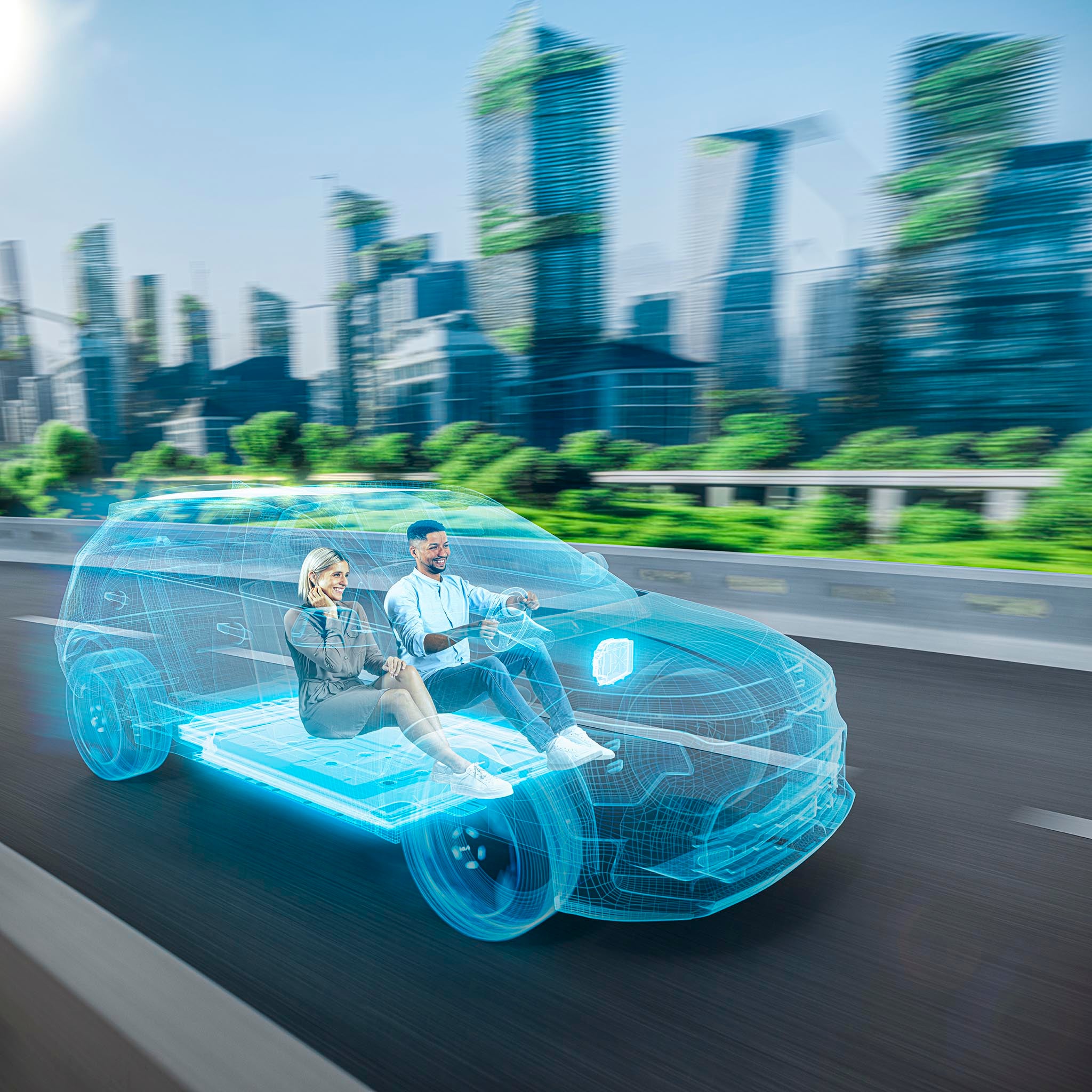
Webasto drives electrification with greener battery initiatives, advanced high-voltage heating and scalable EV thermal and battery systems for OEMs
Webasto Electrification Overview

Evolution

Digitalization

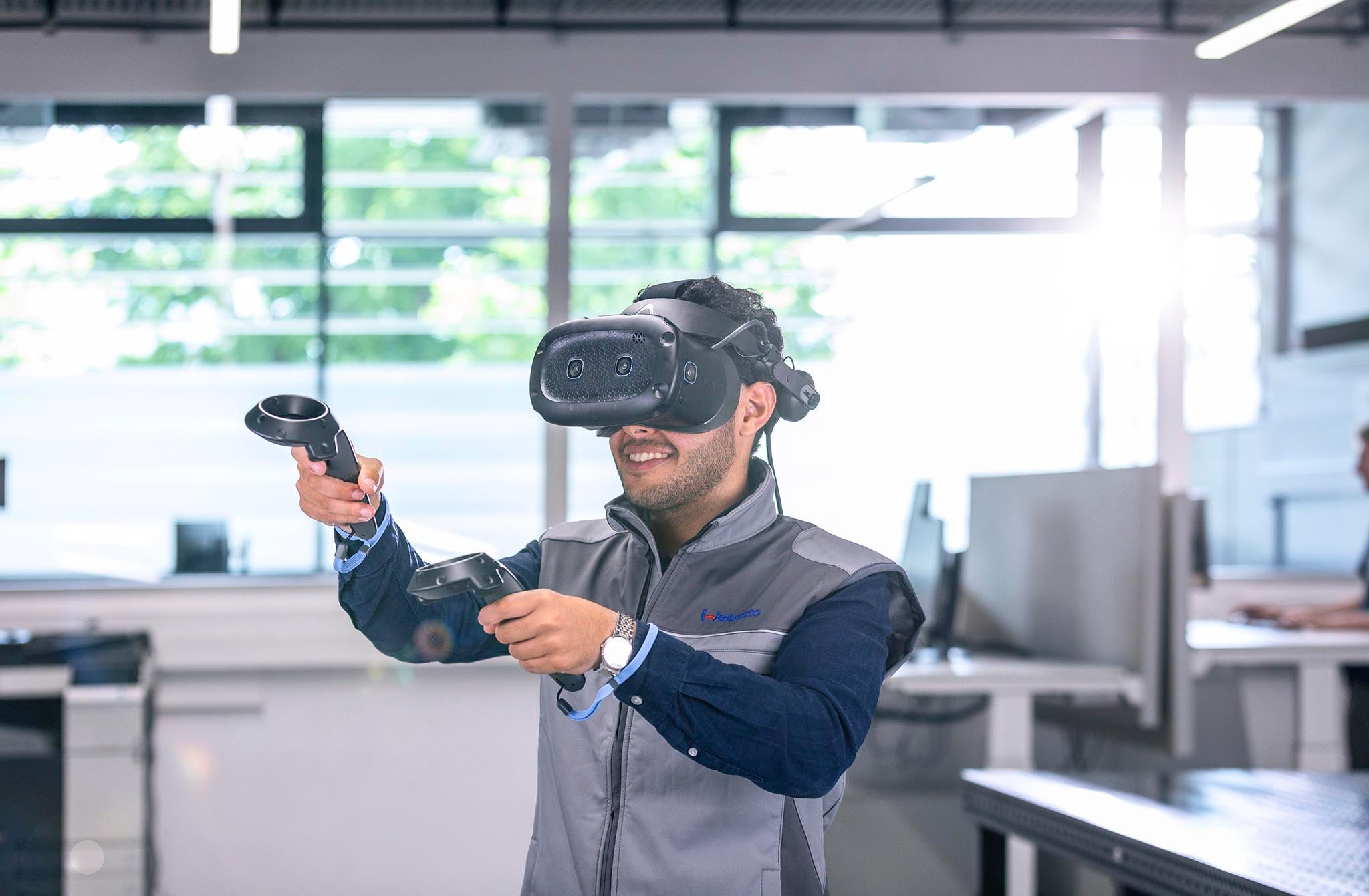
Webasto drives digitalization with smart mechatronics and future factory solutions, delivering system innovations for efficient, sustainable production
Webasto Digitalization Overview

More about innovative roof systems

Roof Sensor Module

Roof systems autonomous driving

Webasto pioneers in integrating cutting-edge sensor technologies like cameras, radar, and lidar into car roofs.

Roof systems autonomous driving

Fixed roofs

High-tech glass and panoramic view

Webasto's fixed roof systems go beyond aesthetics, integrating cutting-edge technologies like switchable glazing and ambient lighting.

Fixed panoramic roofs

Openable roofs

Fresh air and comfortable light

Panoramic roofs offer drivers a genuine open-air feeling with a sense of spaciousness and a clear view of the sky.

Openable Panoramic roofs
Contact